



Southern Africa – God’s Word in every language
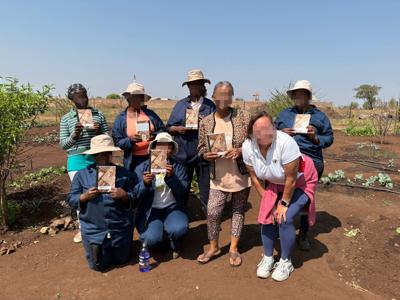
Together with local churches and teams, City Bibles spreads God’s Word in people’s heart languages — through Bibles, New Testaments, and digital access via QR. Still, many have never read the Bible in their own language. New translations are therefore urgently needed so that every nation may have access to God’s Word.
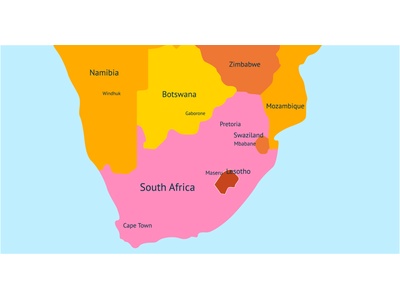
South Africa
- One of the most linguistically diverse countries in the world
- Prison ministry “Freedom Behind Bars”
- High income inequality and poverty
South Africa
- Capitals: Pretoria (administrative), Cape Town (legislative), Bloemfontein (judicial)
- Population: ~60 million
- Official languages: 11, incl. English, Afrikaans, Zulu, Xhosa
General Information
A geographically and culturally diverse country at the southern tip of Africa, bordering Namibia, Botswana, Zimbabwe, Mozambique, and Eswatini; Lesotho is completely enclosed within South Africa.
Languages
Eleven official languages. English and Afrikaans are widely used in cities and commerce; Zulu and Xhosa have the most native speakers. City Bibles supports with materials in English and Afrikaans, and digitally in other languages.
History
Colonial period (Dutch/British), followed by apartheid in the 20th century and democratic transition in the 1990s.
Religion
Predominantly Christian (various denominations), alongside traditional religions and smaller Muslim and Hindu communities.
Other Facts
- Well-developed infrastructure and financial sector.
- Rich in minerals (gold, platinum, diamonds).
- Major urban centers: Johannesburg, Cape Town, Durban.
Key Highlights
- One of the most linguistically diverse countries in the world
- Prison ministry “Freedom Behind Bars”
- High income inequality and poverty
Botswana
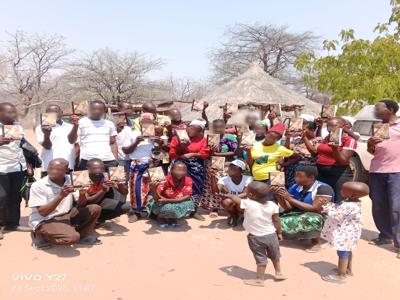
- Many people do not have their own Bible
- Local languages require heart-language translations
- Prison project: translating Bibles into Setswana and distributing them
Botswana
- Capital: Gaborone
- Population: ~2.6 million
- Official language: English; national language: Setswana
General Information
A landlocked country in Southern Africa, known for the Kalahari Desert and the Okavango Delta; it borders Namibia, South Africa, Zimbabwe, and Zambia.
Languages
English is the official language; Setswana is widely spoken. Regional languages are found in the north and west.
History
Formerly the British protectorate of Bechuanaland; independent since 1966 with stable democratic institutions.
Religion
Predominantly Christian, with elements of traditional religions.
Other Facts
- Known for nature conservation and safari tourism.
- Important diamond mining industry.
- Small but rapidly digitizing population.
Key Highlights
- Many people do not have their own Bible
- Local languages require heart-language translations
- Prison project: translating Bibles into Setswana and distributing them
Mozambique
-
Many Christians share Bibles within families or churches
-
The official language is Portuguese, but local languages require heart-language translations
-
Growing church, about 55% of the population is Christian
Mozambique
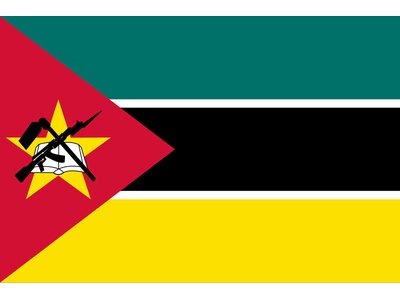
- Capital: Maputo
- Population: ~33 million
- Official language: Portuguese
General Information
A large coastal country along the Indian Ocean, bordering South Africa, Eswatini, Zimbabwe, Zambia, Malawi, and Tanzania.
Languages
Portuguese is the official language; widely spoken local languages include Emakhuwa, Xichangana, and Sena. City Bibles supports both print and digital distribution in multiple languages.
History
Portuguese colonial period; independent since 1975, followed by a civil war during the 1970s–1990s and later reconstruction.
Religion
A mix of Christianity and Islam, with the presence of traditional religions.
Other Facts
- Main sectors: agriculture, fisheries, and energy (gas).
- Vulnerable to cyclones along the coast.
- Strong youthful demographics.
Key Highlights
- Many Christians share Bibles within families or churches
- The official language is Portuguese, but local languages require heart-language translations
- Growing church, about 55% of the population is Christian
Zimbabwe
- Due to poverty, access to affordable Bibles is limited
- Multilingualism: 16 official languages require heart-language translations
- More than 80% of the population is Christian
Zimbabwe
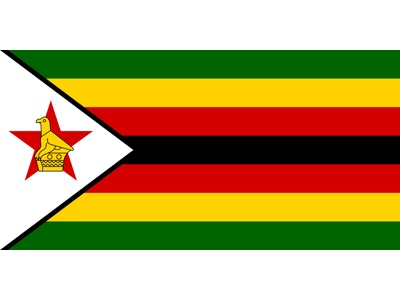
- Capital: Harare
- Population: ~16 million
- Official languages (multiple), incl. English, Shona, Ndebele
General Information
A landlocked country in Southern Africa, bordering South Africa, Botswana, Zambia, and Mozambique; known for Victoria Falls (on the border with Zambia).
Languages
Multiple official languages; Shona and Ndebele are the most spoken. English is the language of administration and education.
History
From colony (Rhodesia) to independent Zimbabwe (1980). Economic and political challenges continue to impact churches and communities.
Religion
Predominantly Christian; alongside traditional religions.
Other Facts
- Economy relies on agriculture, mining, and the informal sector.
- Large diaspora; churches play an important social role.
- Increasing use of mobile phones for Bible access.
Key Highlights
- Due to poverty, access to affordable Bibles is limited
- Multilingualism: 16 official languages require heart-language translations
- More than 80% of the population is Christian
Namibië
- Many remote areas make Bible distribution difficult
- English is the official language, but local languages require Bible translations
- 80–90% are Christian, but have limited access to Bibles
Namibia
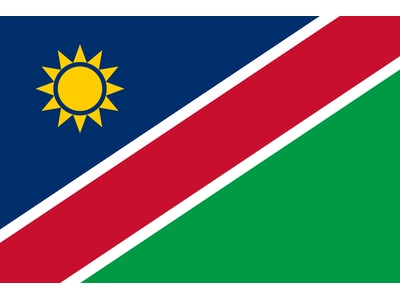
- Capital: Windhoek
- Population: ~2.7 million
- Official language: English
General Information
A large but sparsely populated country on the Atlantic coast; it borders South Africa, Botswana, Angola, and Zambia; known for the Namib and Kalahari deserts.
Languages
English is the official language; widely spoken are also Afrikaans, Oshiwambo languages, Herero, Damara/Nama, and other local languages.
History
Formerly German South West Africa, later under South African administration; independent since 1990 with stable institutions.
Religion
Predominantly Christian (Protestant, Lutheran, Catholic), with elements of traditional religions.
Other Facts
- Strong focus on nature conservation and community conservancies.
- Economy: mining (uranium, diamonds), agriculture, and tourism.
- Low population density; mobile/digital access is strategically important.
Key Highlights
- Many remote areas make Bible distribution difficult
- English is the official language, but local languages require Bible translations
- 80–90% are Christian, but have limited access to Bibles